
Your roof is one of the most important parts of your house, so if you aren’t properly maintaining it, you put your entire property at risk. Finding signs of damage can sometimes be exceedingly simple, making it all the more important that you keep an eye out. Here’s how to spot roof damage early with an easy-to-follow checklist homeowners can use to keep their investment in excellent shape.
Interior Checklist
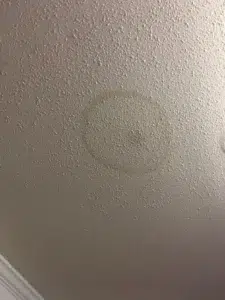
While you might think the best place to check for roof damage would be on the roof, you can find a surprising amount of evidence inside your home. It doesn’t require climbing a ladder, so it’s an easy place for homeowners to start.
Check in your attic or any other sections of the ceiling directly below the roof for signs of water stains, as this could indicate a leak. Stains are often a precursor to mold and mildew growth, as well, so be on the lookout for rancid or musty smells in the area while you check.
Peeling paint is another sign for similar reasons, with water from your roof dripping down the walls and causing it to discolor and fall off. You might also be able to notice parts of the roof deck (the part of your house where the roof is connected) sagging when checking your attic. This indicates warping from water or stress, and will require repairs to protect your home.
Most obviously, if you see light shining through parts of your roof, that’s a good indicator that you have a hole. Holes are commonly signs of storm damage to your roof, and they require immediate repair to prevent the other issues we outlined from occurring.
Exterior Checklist
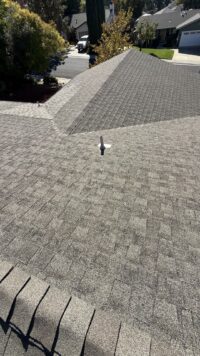
Even if nothing seems to be going on from the inside, you’ll still want to do an inspection from the outside to be sure. However, make sure you’re taking precautions when climbing to your roof, like having someone there to hold the ladder and call for help if something goes wrong.
The best place to start with your exterior inspection is actually from the ground. You can give your roof a cursory review with binoculars, as any of the more obvious issues will likely already stand out. Cracked, curling, or missing shingles, for example, are pretty hard to miss even without getting on top of things. Problems with shingles like these are one of the most common indicators of what a damaged roof looks like, making it easy to evaluate when something has gone wrong.
Dark patches or signs of algae or moss growth can also indicate trapped water. This happens when shingles start to pull away from the roof, become damaged, or go missing entirely, allowing moisture to seep under them.
Additionally, finding shingle granules in your gutters or sitting in piles on your roof likely means you need a replacement due to wear and tear. You should also be on the lookout for damage around your chimney or vents, as these are easy places for water and debris to get inside.
Safety First
A DIY inspection can be a good place to start, but you need to be careful when you do it. We strongly advise against getting on your roof yourself. These checks can be done safely from the ground or by a trained professional.
Get Help With Your Roof Today
Signs of roof damage can be easy to spot, especially when you have a handy checklist of areas to search, helping you out. If you’ve finished the checklist and found some problems, or if you didn’t but are worried you might have missed something, now’s the perfect time to call in the pros. Contact us at Loveland Roofing today for all your roof inspection, repair, and replacement needs.


